Basildon corporate flowers for offices Eastgate Centre contracts
Posted on 30/10/2026
Basildon corporate flowers for offices Eastgate Centre contracts: a practical guide for better workspaces
If you are comparing Basildon corporate flowers for offices Eastgate Centre contracts, you are probably after more than a pretty vase on reception. You want something reliable, presentable, easy to manage, and good enough to make the whole office feel sharper the moment someone walks in. That is fair enough. In a busy Eastgate Centre environment, first impressions matter, and flowers can do a lot of quiet heavy lifting.
This guide breaks down how office flower contracts usually work in Basildon, what to look for, where the value comes from, and the mistakes that catch people out later. We will also cover selection, delivery, upkeep, compliance, and how to keep the arrangement looking intentional rather than like an afterthought. Let's face it, nobody wants sad tulips on a Friday morning.
Whether you manage a front-of-house desk, oversee facilities, or simply want the office to feel more polished, this article should help you make a sensible decision with less guesswork.
Why Basildon corporate flowers for offices Eastgate Centre contracts Matters
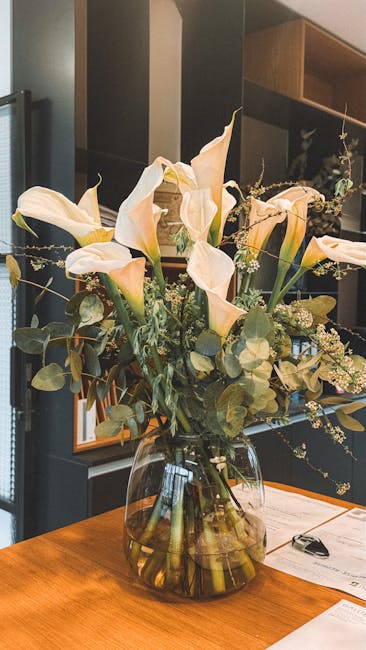
Corporate flowers are not just decoration. In office settings, especially around a commercial hub like Eastgate Centre, they help shape the tone of the space before anyone says a word. A neat reception arrangement tells visitors the business pays attention to detail. Fresh flowers in meeting rooms can soften hard interiors. Subtle desk displays can make a workplace feel calmer, less sterile, and more cared for.
That matters because offices are full of tiny moments. A client waits by reception. A candidate arrives for an interview. A supplier drops in with paperwork. A team returns after a difficult week. Each one of those moments is part of the story your space tells. Flowers are a small signal, but they are a strong one.
For Eastgate Centre contracts specifically, consistency tends to matter even more than extravagance. A contract-based service means someone is responsible for refreshes, replacement stems, seasonal changes, and the general standard of the display. No scrambling. No last-minute supermarket bouquet. No awkward gap where the arrangement should have been.
Expert summary: The best office flower contract is the one that quietly keeps the workplace looking organised, calm, and credible without creating work for the people inside it.
There is also a practical side. Office flowers can support branding, help with seasonal presentation, and give the space a more welcoming atmosphere for staff. In some workplaces, they are part of the wider hospitality experience. In others, they simply lift morale. Truth be told, both are useful.
How Basildon corporate flowers for offices Eastgate Centre contracts Works
Most corporate flower arrangements follow a straightforward rhythm. You agree the style, delivery frequency, placement, budget, and maintenance level, then the florist handles the rest. Simple enough, but the details are where the value is won or lost.
A typical contract may begin with a site discussion or a short brief. That is where the florist learns about the office layout, front desk size, light levels, colour palette, and any restrictions. A bright open foyer can handle larger seasonal pieces. A compact reception area may need something lower and cleaner so it does not crowd the desk. Meeting rooms usually need arrangements that look good up close, not just from across the room.
From there, the service often settles into a regular schedule. Weekly is common for busy offices, though some spaces prefer fortnightly refreshes if the design is long-lasting and carefully chosen. In a practical sense, that means the flowers are delivered, positioned, refreshed if needed, and removed or replaced on the agreed cycle.
Some businesses prefer a managed account approach. If that sounds familiar, a page like corporate accounts explains the kind of arrangement that suits regular ordering, budgeting, and repeat office requirements. For a business with ongoing flower needs, that is usually easier than placing one-off orders every time someone remembers.
The flowers themselves may be selected by colour theme, occasion, season, or durability. In offices, the most useful designs are often not the flashiest. They are the ones that stay fresh, avoid strong pollen where necessary, and fit the room rather than fighting it.
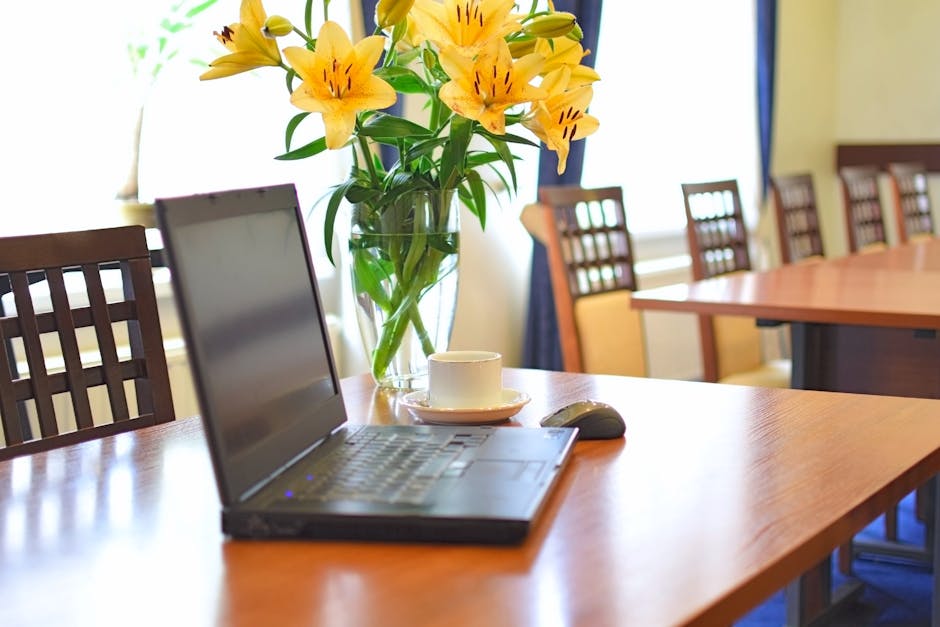
And yes, placement matters more than people think. A gorgeous arrangement that blocks visitor paperwork or overhangs a laptop is not helping anyone. We have all seen that one display that looked lovely but somehow took over the entire counter. Not ideal.
Key Benefits and Practical Advantages
Corporate flowers do a lot more than brighten a windowsill. If handled well, they create day-to-day benefits that are genuinely useful for a workplace, especially one that deals with visitors, customers, or staff in a front-facing environment.
- Better first impressions: Reception flowers make the office feel prepared and professional from the start.
- Improved atmosphere: Natural colour and shape can soften a space dominated by screens, glass, and straight lines.
- Low-effort presentation: A contract keeps the office looking cared for without constant internal admin.
- Seasonal variety: Designs can shift with the time of year, so the office does not feel stale.
- Brand alignment: Colours and style can be matched to a company's visual identity.
- Visitor comfort: A welcoming environment can make waiting areas feel less clinical.
- Staff morale: Small visual touches often matter more than people expect during a long working week.
One benefit that gets overlooked is consistency. A one-off arrangement may look lovely for two or three days. A contract keeps the impression alive. That ongoing presence is where the value sits.
There is also a time-saving benefit for office managers. Instead of hunting for a florist each month, checking delivery windows, and remembering who signed off the last order, the process becomes predictable. For busy teams, predictability is a quiet luxury.
If you want a broader look at the business behind the service, the florist's about us page can help you judge whether their style and approach feel trustworthy enough for regular office work. That sort of background is useful, especially when you are handing over repeated deliveries.
Who This Is For and When It Makes Sense
This kind of service is a fit for a few different office scenarios. Some are obvious, some less so.
- Reception-led businesses where visitors arrive throughout the day and the entrance needs to feel polished.
- Professional firms such as accountancy, legal, consultancy, finance, or property offices, where presentation carries weight.
- Customer-facing workplaces that want a calmer, warmer experience for guests.
- Shared office spaces where a managed floral refresh supports the communal look and feel.
- Businesses hosting regular meetings and needing conference rooms to feel less stark.
- Teams celebrating milestones like launches, promotions, or client wins.
It also makes sense if your current approach is too reactive. Maybe someone in the team keeps buying flowers in a hurry. Maybe the office only looks presentable after a last-minute dash to the shop. Maybe the same arrangement gets reused for too long. Happens all the time.
A proper contract can be especially useful if the office has multiple zones: reception, boardroom, break area, and private meeting rooms. Different spaces need different treatment. A strong contract supplier understands that a foyer display and a desk arrangement are not the same job at all.
It is also worth saying that not every office needs large statement blooms. Some spaces work better with smaller, recurring arrangements, neat vase flowers, or low-key seasonal mixes. The point is fit, not excess.
Step-by-Step Guidance
If you are setting up an office flower contract for the first time, this is the sensible way to approach it.
- Assess the space. Look at the entrance, desk size, room lighting, foot traffic, and where flowers will not get in the way.
- Decide the purpose. Is the aim to impress visitors, support branding, lift the office atmosphere, or all three?
- Set a realistic budget. Think about frequency as well as arrangement size. Regular smaller refreshes may work better than oversized one-offs.
- Choose a style direction. Modern, elegant, seasonal, traditional, subtle, bold. Just keep it consistent with the office environment.
- Confirm maintenance expectations. Who replaces tired stems? Who clears old containers? Who receives the delivery?
- Ask about flexibility. Contracts should ideally allow adjustment for holidays, office closures, or special events.
- Review delivery logistics. Timing matters in offices. Early morning can be easier than a mid-afternoon arrival when the front desk is already busy.
- Test the first few cycles. Use the early weeks to check whether the height, vase style, and colour palette actually work in the room.
- Refine after feedback. Reception staff often know what looks right because they see it all day, not just for five minutes.
A useful tip: take a photo of the arrangement in situ. It sounds small, but it helps you remember what worked, what was too tall, and which colours sat well under your office lighting. Artificial lights can be unkind. A bouquet that looked soft in daylight may feel a bit louder under bright ceiling panels.
If delivery timing matters to your business, pages such as delivery and guarantees can help you understand service expectations before you commit. That sort of detail matters more than people realise.
Expert Tips for Better Results
The best office flower setups tend to be the least fussy. They look effortless, but they are usually carefully thought through. Here are a few practical things that make a real difference.
Choose scale for the room, not for the photo
Big arrangements can be impressive, but if the room is small, they dominate the entire atmosphere. In compact offices, a lower, fuller arrangement often works better than something tall and dramatic. The eye relaxes. People can talk over it. That helps.
Work with the lighting you actually have
Natural daylight, shaded reception areas, and fluorescent office lighting all change how flowers appear. Whites can look crisp in one room and flat in another. Strong pinks can feel playful or too intense depending on the background. Match the flowers to the space, not just to the catalogue.
Use seasons intelligently
Seasonal flowers do not just look timely. They often feel more natural and less forced. Spring designs can lift a reception. Summer flowers can add energy. Autumn tones can make an office feel richer and calmer. Winter arrangements, if done well, can be beautifully clean and structured.
Keep fragrance in mind
Some offices prefer low-scent or unscented blooms in enclosed spaces, especially around meeting rooms. If staff or visitors are sensitive to fragrance, say so early. That tiny detail can save quite a bit of trouble later.
Match the flowers to the company's tone
A creative studio may suit brighter mixes, while a legal or financial office may want more restrained tones. Neither is better. They are just different. The flower selection should feel like part of the environment, not a random visitor from somewhere else.
Plan for busy weeks
Office life is never perfectly tidy. Events happen. Teams travel. People book the boardroom for all sorts of reasons. A good contract should allow practical adjustments without turning into a drama. To be fair, that is what makes the arrangement feel professional.
If you want office flowers to feel premium without looking overdone, think in terms of texture, shape, and breathing space. A mix of roses, alstroemeria, lilies, or tulips can work beautifully when the palette is controlled. The trick is not to cram everything in.
Common Mistakes to Avoid
A lot of office floral problems come from rushing the decision. Easy to do, especially when someone says, "Can we just get something in by Monday?" But a few avoidable mistakes tend to show up again and again.
- Buying based on price alone: Cheap does not always mean efficient if the flowers fade too quickly.
- Ignoring maintenance: If nobody is responsible for refreshes, the display can slide downhill fast.
- Choosing oversized arrangements: They can overwhelm desks, counters, or meeting tables.
- Forgetting the recipient space: A bouquet that suits a home may not suit a corporate reception.
- Using strong scent where it is not welcome: Nice for some people, distracting for others.
- Not checking contract flexibility: Office closures, holidays, and building access can create problems if the service is too rigid.
- Leaving decisions too late: Good setups usually need a bit of thought, not a mad scramble.
Another common slip is choosing flowers that look beautiful online but do not work in the actual office light. The sample image is only half the story. The room tells the rest.
And here is one nobody likes to admit: people sometimes overcomplicate the colour scheme because they worry it needs to "say something." It usually does not. Clean, balanced, and tidy is already saying plenty.
Tools, Resources and Recommendations
You do not need a big toolkit to manage corporate flowers well, but a few practical resources help the process go smoothly.
- Office space photos: Useful for planning height, placement, and colour balance.
- Reception schedule: Helps determine delivery windows and handover contact points.
- Simple feedback notes: A short running note from reception or facilities can help refine future arrangements.
- Budget tracker: Helpful if flowers are part of a wider hospitality or workplace presentation budget.
- Colour or brand reference: Makes it easier to match arrangements to company identity.
- Seasonal planning list: Lets you prepare for busy periods such as year-end, client events, or office celebrations.
For product selection, many offices prefer dependable mixed arrangements and vase-ready flowers over loose stems that require extra handling. That is where pages like flowers in a vase and florist choice can be useful as inspiration for low-hassle office displays.
If you are looking for a more polished or high-end presentation, browsing luxury flowers or the broader best sellers range can help you compare the sort of styles that usually work well in business settings. On the budget side, the budget range is a sensible place to start if you need frequent refreshes without letting standards slip.
For businesses that also want flowers tied to occasions or staff moments, it may be useful to look at corporate gifting. That can sit neatly alongside reception flowers and help keep the workplace tone consistent.
Law, Compliance, Standards, or Best Practice
For office floral contracts, the compliance side is usually more about good practice than heavy regulation, but it still deserves attention. The basics are simple: deliveries need to be safe, placements should not create trip hazards or block exits, and any handling should respect the building's access rules and office policies.
If flowers are placed in public-facing areas, it helps to keep pathways clear and avoid unstable stands or oversized containers that could tip. Reception desks are especially important here because paper, devices, visitors, and deliveries tend to pile up fast. A tidy arrangement is one thing; a cluttered one can become a nuisance quickly.
It is also wise to think about workplace sensitivities. Scent, pollen, allergies, and plant placement can all matter in shared environments. There is no need to make a fuss about it, but asking in advance is sensible best practice.
From a business-trust perspective, it is smart to review the supplier's policies around payment, returns, sustainability, and privacy. Those details may feel administrative, but they tell you a lot about how the service is run. If you want to understand the broader terms behind the business, pages such as terms and conditions, privacy policy, returns and refund, payment, and sustainability are all worth a look.
For a workplace, those pages are not just fine print. They can help you judge whether the supplier handles regular service in a calm, organised way. That matters, especially in ongoing contracts.
Options, Methods, or Comparison Table
Different offices need different flower setups. Here is a simple comparison to help you choose what fits best.
| Option | Best for | Strengths | Possible drawback |
|---|---|---|---|
| Weekly contract flowers | Busy reception areas and client-facing offices | Consistent appearance, frequent refresh, strong presentation | Higher ongoing cost than less frequent service |
| Fortnightly arrangements | Smaller offices or moderate footfall | Good balance of cost and freshness | May need more durable blooms |
| Vase-ready mixed bouquets | Offices with limited internal upkeep | Simple to place, low hassle, flexible style | Less impact in very large spaces |
| Luxury statement arrangements | Boardrooms, VIP spaces, launches, or premium receptions | High visual impact, strong brand feel | Can overwhelm smaller rooms if not scaled properly |
| Seasonal rotating displays | Businesses wanting variety and a fresh look | Feels lively and current, avoids visual fatigue | Needs a supplier with decent design judgement |
In practice, many offices do best with something in the middle: presentable, reliable, and not too demanding. Fancy is fine, but only if it still suits the space. No one needs a floral sculpture wrestling the receptionist.
Case Study or Real-World Example
Imagine a medium-sized office near Eastgate Centre with a reception desk, one boardroom, and a small waiting area. The team has had a few bad experiences with one-off flower orders: some were too tall, others wilted too quickly, and once the delivery arrived after a meeting had already started. Not disastrous, just annoying.
They moved to a regular corporate flower contract with a simple brief: clean, professional, low-fragrance, and suitable for visitors. The florist started with a mixed vase arrangement for reception, then used smaller coordinated pieces for the boardroom. In winter, the palette was softer and more structured. In spring, the colours opened up a little. Nothing wild. Nothing that shouted.
What changed? The office looked more settled. Reception staff stopped having to deal with ad hoc flower errands. Visitors walked into a space that felt thought-through. Even on busy mornings, when the kettle was on and phones were ringing, the flowers helped the place look composed. A small thing, maybe. But small things add up.
That sort of result is typical when the arrangement is designed for the real office, not a showroom fantasy. Good corporate flowers support the room you already have.
Practical Checklist
Use this checklist before you confirm a contract.
- Have you measured the reception, desk, or table space where flowers will go?
- Do you know whether the arrangement should be subtle, seasonal, premium, or brand-led?
- Have you checked for fragrance or allergy concerns?
- Is the delivery window practical for the office?
- Do you know who signs for the delivery?
- Will the supplier refresh, replace, or remove tired flowers as part of the service?
- Have you agreed on the frequency of delivery?
- Are the flowers appropriate for the amount of natural light in the space?
- Have you reviewed payment, returns, and contract terms?
- Is there a backup plan for holidays, closures, or special events?
- Have you asked for options that suit different seasons?
- Do you know how to contact the florist if something needs changing quickly?
If you can tick most of those off, you are in a much better place than most office flower buyers. Honestly, that is half the battle.
Conclusion
Basildon office flowers are at their best when they are practical, consistent, and tuned to the space they serve. For Eastgate Centre contracts, the aim is usually not to create something extravagant for one day, but to keep the workplace looking calm, polished, and ready for real business every single week.
When you choose the right scale, frequency, and style, flowers become part of the office experience rather than a decorative extra. They help with first impressions, lift the atmosphere, and quietly support the professionalism of the whole space. That is a decent return for something that seems small at first glance.
If you are weighing up suppliers or deciding what level of service makes sense, start with the room, then the budget, then the look you want to maintain. Simple order, better outcome.
Get a free quote today and see how much you can save.
And if the finished result is a calmer entrance, a nicer Monday, and one less thing for the office team to think about, well, that is not a bad win.

Frequently Asked Questions
What are Basildon corporate flowers for offices Eastgate Centre contracts?
They are regular flower services arranged for office spaces in Basildon, often on a repeat basis, to keep receptions, meeting rooms, or shared areas looking fresh and professional.
How often should office flowers be changed?
That depends on the style of flowers, the office environment, and the level of foot traffic. Weekly is common for high-visibility spaces, while smaller offices may be fine with less frequent refreshes.
Are flowers in offices a good idea for client-facing businesses?
Yes, usually. They help create a welcoming first impression and can make the space feel more organised and approachable, which matters in reception-heavy settings.
What type of flowers work best in offices?
Longer-lasting, tidy arrangements usually work best. Mixed bouquets, vase-ready designs, and low-fragrance flowers are often good choices for business environments.
Can office flower contracts be tailored to company branding?
Yes. Many suppliers can work around brand colours, preferred styles, and seasonal themes so the flowers feel like part of the office identity rather than a random add-on.
Do corporate flower services include delivery and setup?
They often do, but the exact service varies. It is sensible to confirm whether delivery, placement, refreshes, and removal are included before you agree to a contract.
What should I ask before signing an office flower contract?
Ask about frequency, timing, vase style, flower longevity, flexibility during holidays, replacement policy, payment terms, and what happens if an arrangement is delayed or unsuitable.
Are low-scent flowers better for offices?
Often, yes. In shared workspaces or smaller rooms, low-scent flowers can be a safer choice because they are less likely to distract or irritate staff and visitors.
How do I know if the flowers are worth the cost?
Look at consistency, presentation, time saved, and how the space feels to visitors and staff. The value is not only in the flowers themselves, but in the reliability of the service.
Can I use the same service for corporate gifting as well?
In many cases, yes. Some businesses use the same florist for office flowers, staff gifts, and client gifts so the style and service remain consistent. That can simplify ordering too.
What if my office has limited space?
Then smaller arrangements, low-profile vases, or compact seasonal designs are usually better. You do not need a large display to make a workplace feel presentable.
Is it better to order one-off flowers or sign a contract?
If you need flowers regularly, a contract is usually easier and more consistent. One-off orders make sense for occasional events, but contracts suit ongoing office presentation better.


