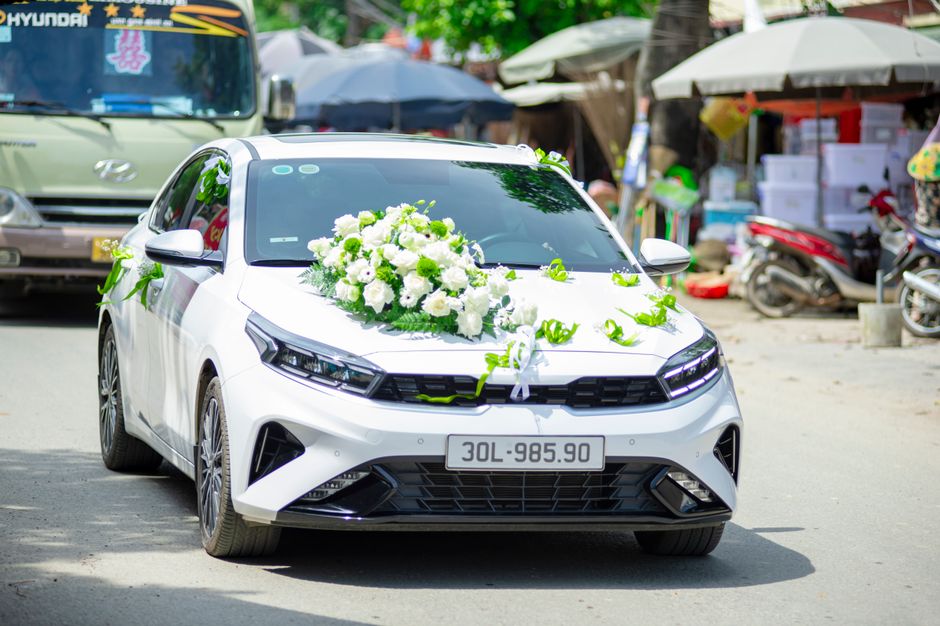
Basildon wedding flowers case study Festival Park marquee
Posted on 26/09/2026
If you are planning wedding flowers for a marquee celebration in Basildon, the details can feel a bit overwhelming at first. A Festival Park marquee brings its own rhythm: open space, changing light, guest flow, and that slightly magical blank-canvas feeling. This Basildon wedding flowers case study Festival Park marquee article breaks down what matters, how floral planning works in a marquee setting, and where couples usually get the best results without overcomplicating things.
Let's face it, marquee flowers are not just about picking pretty blooms. They need to suit the structure, hold their shape, work in photos, and still feel like part of the day once the speeches have started and the room has filled with people. In the pages below, you will find a practical guide with design advice, planning steps, common mistakes, and a real-world style example that shows how the moving parts fit together.
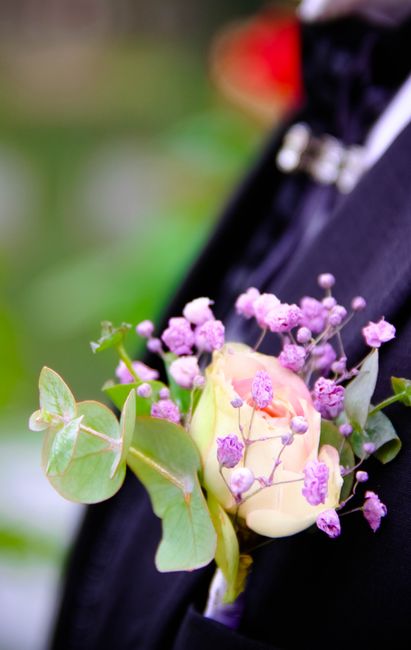
Table of Contents
- Why Basildon wedding flowers case study Festival Park marquee Matters
- How Basildon wedding flowers case study Festival Park marquee Works
- Key Benefits and Practical Advantages
- Who This Is For and When It Makes Sense
- Step-by-Step Guidance
- Expert Tips for Better Results
- Common Mistakes to Avoid
- Tools, Resources and Recommendations
- Law, Compliance, Standards, or Best Practice
- Options, Methods, or Comparison Table
- Case Study or Real-World Example
- Practical Checklist
- Conclusion
- Frequently Asked Questions
Why Basildon wedding flowers case study Festival Park marquee Matters
Wedding flowers in a marquee are a different beast from flowers in a hotel ballroom or village hall. The setting at Festival Park, or any similar marquee venue in Basildon, usually means you are working with a large open room, neutral fabric walls, and a lot of daylight early on. That sounds simple, but it changes almost every floral decision.
Why does this matter? Because flowers in a marquee need to do several jobs at once. They need to define space, soften the structure, create focal points, and stop the room feeling a little too bare. A marquee can look lovely and still feel empty if the florals are underplanned. On the other hand, too much floral work can crowd the space and make it hard for guests to move comfortably. Balance is everything.
In our experience, couples often focus on the bridal bouquet first, then realise much later that the real challenge is the marquee itself. What fills the long tables? What greets guests at the entrance? How do you make the top table feel special without blocking sightlines? These are the questions that separate a decent floral plan from a genuinely polished one.
There is also a practical reason this topic matters: marquee weddings are exposed to the weather more than indoor venues. Even in a place like Basildon, where the day may begin bright and turn breezy by late afternoon, flowers have to cope with a slightly less predictable environment. Nothing dramatic, just enough to reward sensible planning.
How Basildon wedding flowers case study Festival Park marquee Works
A good marquee flower plan usually starts with the layout, not the bouquet. That sounds obvious, but people skip it all the time. Once you know where the entrances, tables, dance floor, cake table, bar, and ceremonial space will sit, the floral design can be built around the guest experience rather than around a catalogue picture.
The process typically works in layers:
- Structure first - define the large-scale spaces that need floral presence, such as entrance points, ceremony focal areas, and the main dining tables.
- Movement second - think about how guests will walk through the marquee and where flowers can guide the eye without blocking the route.
- Style third - choose colours, flower shapes, and container styles that suit the couple and the setting.
- Practical finishing - confirm delivery timing, setup access, table dimensions, and what needs to stay fresh for the longest possible time.
That last point matters more than people expect. A marquee setup is often a live environment. Florists may be placing arrangements while other suppliers are still installing lighting, linen, or signage. So the floral plan needs to be coordinated, not just beautiful.
If the wedding uses several floral categories, they should all speak the same visual language. A bridal bouquet, bridesmaid bouquets, buttonholes, table arrangements, and any statement pieces should feel related, even if each item plays a different role. This is where a cohesive range helps. For example, a couple looking for a complete floral feel might explore wedding collections alongside specific pieces such as bridal bouquets, bridesmaid bouquets, buttonholes, and table arrangements.
That joined-up approach is usually what makes the room feel finished rather than decorated.
Key Benefits and Practical Advantages
When the flower plan is done well, the benefits are not only visual. A marquee wedding gains clarity, atmosphere, and structure. You can think of flowers as a soft architectural tool. They shape the room without hard lines, which is especially useful in a marquee where the surfaces can feel plain.
- They create instant mood. A thoughtful palette can make a Basildon marquee feel romantic, fresh, modern, or classic without needing a huge amount of decor.
- They improve photography. Bouquets, aisle pieces, and table flowers add texture and depth, which helps photos feel layered rather than flat.
- They help the room feel "finished". Even modest arrangements can pull a space together if they are placed well.
- They guide the guest journey. Entrance flowers, ceremony points, and table design help people understand where to go and what matters most.
- They can be scaled sensibly. Florals can be adjusted to suit different budgets, from a few high-impact pieces to a fuller wedding-wide scheme.
There is also a less obvious advantage: flowers make a marquee feel warmer. Not warmer in temperature, obviously. Just emotionally warmer. Guests notice it when they sit down and the tables do not feel empty. The room feels cared for. That changes the whole tone of the day.
Expert summary: In a marquee setting, the best floral designs are rarely the most complicated. They are the ones that answer the room, the light, the table layout, and the couple's style all at once.
Who This Is For and When It Makes Sense
This kind of floral planning makes sense for couples who want a marquee wedding to feel intentional, not improvised. It is especially relevant if the event is in or around Basildon and you are working with a venue like Festival Park where the structure is temporary, the layout is flexible, and the final feel depends heavily on styling.
It is a good fit if you are:
- planning a wedding with a marquee reception or ceremony space
- trying to decide how many flowers you actually need
- worried about the marquee feeling too blank or too crowded
- looking for a cohesive palette across bouquets, tables, and focal areas
- balancing visual impact with budget control
- needing flowers that hold up well through a full day of events
It also makes sense if you are the kind of couple who wants practical guidance before signing off on a design. Truth be told, many people love flowers but do not want to spend hours decoding floral jargon. Fair enough. You want to know what works, what lasts, and what will actually look good in the space you have booked.
If you are still choosing between different flower styles, browsing product ranges can help narrow things down. A Basildon wedding may call for soft whites, garden-style mixes, or something more structured. Options such as white wedding collections, romantic wedding designs, or a more contemporary palette can point you in the right direction.
Step-by-Step Guidance
Here is a simple way to approach wedding flowers for a Festival Park marquee without losing your mind halfway through. No drama, just a workable process.
1. Start with the layout
Before choosing specific flowers, map the marquee. Where is the entrance? Where will guests sit? Is there a top table, a sweetheart table, or banquet seating? Will the ceremony happen in the same space as the reception? Each answer changes the floral plan.
2. Decide the hero moments
You usually do not need flowers everywhere. Instead, decide which areas must stand out. Common hero moments include the bouquet, ceremony backdrop, top table, and guest tables nearest the front. A few strong focal points often work better than a scattering of small arrangements.
3. Choose a palette that suits the light
Marquee light can be bright and clean during the day, then softer later on. Pale shades, blush tones, whites, greens, and layered textures tend to work well. If you want stronger colour, keep it controlled so the room does not feel busy. A little restraint goes a long way.
4. Match scale to the space
A large marquee can swallow tiny arrangements. Equally, oversized pieces can dominate small dining areas. A good florist will think in proportions, not just in flower names. That bit matters more than people think.
5. Confirm setup timing
Ask when flowers will arrive, who will place them, and whether any items need assembly on site. Marquee weddings often have tighter setup windows than couples expect, especially if multiple suppliers are arriving the same morning.
6. Review the practical details
Check vase stability, water supply, transport, and where arrangements will sit once the meal begins. A big bouquet on a narrow table can become annoying very quickly. Beautiful, yes. Convenient? Not always.
7. Keep the plan flexible
Wind, heat, and room changes can affect the final look. Slightly. You do not need to panic about that. But it helps to have a florist who can make small on-the-day adjustments without turning it into a production.
Expert Tips for Better Results
Here are the details that often make the difference between "nice flowers" and "that looked incredible".
- Use repetition wisely. Repeating one or two flower types across the marquee creates flow. It ties the room together without making everything identical.
- Mix heights carefully. Some arrangements should sit low so guests can talk across the table. Others can rise higher for impact. If every arrangement is the same, the room can feel flat.
- Do not ignore the entrance. Guests notice the entrance before anything else. A modest but polished welcome arrangement can set the tone brilliantly.
- Choose stems for staying power. Some flowers cope better with a long event than others. A florist should guide you honestly on durability, especially for summer marquee weddings.
- Think about scent. Strongly fragrant flowers can be lovely, but in a small dining cluster they can overpower the room. A light scent is usually enough.
- Use seasonal thinking. Seasonal flowers often offer better value and a more natural feel. They also tend to look less forced, which is a good thing.
One small but useful observation: people often remember the table flowers more than the grand statement pieces. That is because guests spend time with them, close up, under soft light, with a glass in hand and the meal in front of them. Those details stick.
And yes, sometimes a tiny change like swapping a bulky vessel for a slimmer one can make the whole table feel calmer. Funny how that works.
Common Mistakes to Avoid
Marquee wedding flowers are full of small traps. None of them are dramatic on their own, but together they can spoil the effect. The good news? Most of them are easy to avoid once you know what to look for.
- Choosing flowers before the layout. This is the big one. The room design should lead the flower choices, not the other way round.
- Overfilling the tables. Guests need room for food, glasses, favours, and conversation. Flowers should enhance the table, not take it over.
- Ignoring weather and timing. A bouquet that looked perfect at 10 a.m. may not look the same by late afternoon if it has sat in heat or sunlight.
- Mixing too many styles. Garden style, structured roses, tropical shapes, and rustic containers can all be beautiful. Together, though? It can get messy fast.
- Forgetting the bridal party flowers. The whole visual story matters. A lone bouquet with no supporting pieces can look unfinished.
- Leaving setup questions until the last minute. Who handles placement? Where are the stairs, entrances, and access points? Small logistical issues become big ones on the day.
If you have ever seen a marquee where the centrepieces looked lovely but nobody could see past them, you will know exactly why this section matters. You can have too much of a good thing. Sorry, but it's true.
Tools, Resources and Recommendations
You do not need specialist software to plan wedding flowers, but a few simple tools can make the process much smoother. Most of the useful work is surprisingly low-tech.
- Venue measurements. Table sizes, ceiling height, entrance width, and aisle spacing help with scale.
- Visual references. Keep a small folder of styles you like, but focus on details rather than just broad "vibe" images.
- Guest layout plan. A table plan will tell you where flowers need to have impact and where they need to stay low.
- Colour notes. Bridesmaids, suits, linen, napkins, and stationery all matter. Flowers should sit comfortably with them.
- Florist product ranges. Browse categories to understand the kinds of bouquets and arrangements available, such as luxury flowers, flowers in a vase, or wedding pieces like wedding collections.
For couples who want a practical place to start, the most useful products are usually the bridal bouquet, bridesmaid bouquet, buttonhole, and table arrangement categories. Those core pieces let you test the look before you commit to bigger statement items.
If budget is a concern, it can help to compare premium pieces with simpler ones. A few standout items, used well, often deliver more impact than trying to cover every corner of the marquee. That is not a compromise. It is just smart planning.
Law, Compliance, Standards, or Best Practice
For wedding flowers, the main compliance questions are usually practical rather than legal. Still, there are a few best-practice points worth keeping in mind.
First, any floral supplier working at a venue should be clear about delivery, access, and setup responsibilities. In a marquee environment, safe handling matters. Heavy arrangements should be positioned securely, and walkways should stay clear. That is simply good event practice.
Second, if flowers are being placed near candles, heaters, electrical equipment, or fabric structures, common sense and venue guidance should always come first. Marquee weddings often involve lots of additional decor, so it is wise to avoid overloading a small area with flammable or obstructive items.
Third, ordering terms, substitutions, and cancellation conditions should be understood before you confirm anything. Floral stock can vary, especially around peak wedding season, so a reputable supplier should explain what happens if a particular stem is unavailable. That is normal, not a problem, as long as expectations are set clearly.
You may also want to check broader website policies if you are ordering products online. A florist's delivery information, returns and refund terms, and guarantees can be useful reading when you are comparing options. The same applies to flower care advice if you want arrangements to stay fresh for longer.
Best practice, in plain English, is this: ask direct questions, get clear answers, and do not assume the florist reads minds. Nobody does, sadly.
Options, Methods, or Comparison Table
Couples planning marquee flowers often choose between a few broad approaches. None of them is automatically right or wrong. It depends on budget, style, and how much of the room you want flowers to shape.
| Approach | What it looks like | Best for | Watch out for |
|---|---|---|---|
| Statement focal points | A few larger arrangements at the entrance, top table, or ceremony area | Couples who want impact without covering every surface | Can feel sparse if the tables are very plain |
| Table-led design | Consistent centrepieces across guest tables with smaller supporting pieces | Dining-heavy receptions and longer guest tables | Needs careful sizing so guests can still talk comfortably |
| All-round floral styling | Bouquets, buttonholes, tables, entrance pieces, and featured installations | Couples who want a fully dressed marquee | Costs and setup complexity rise quickly |
| Minimal premium design | Fewer flowers, but selected for quality, shape, and perfect placement | Smaller budgets with strong taste and restraint | Needs disciplined editing, or it can look underdone |
For many Basildon marquee weddings, the sweet spot is somewhere between statement focal points and table-led design. That gives the room shape without tipping into excess. You do not need every inch covered. You really do not.
Case Study or Real-World Example
Here is a realistic example of how a floral plan for a Festival Park marquee might come together. It is not a claim about a specific wedding. Think of it as a grounded working model based on the kind of requests couples commonly make.
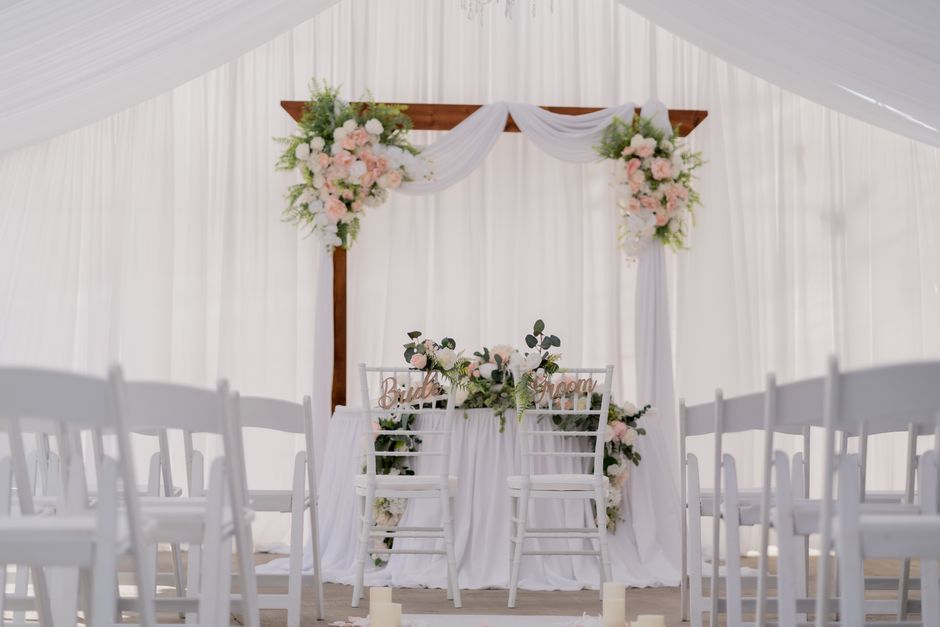
A couple wanted a soft, elegant feel for their Basildon marquee wedding. They liked whites, pale blush tones, and fresh greenery, but they did not want the room to feel overly formal. The marquee itself was large enough to seat guests comfortably, yet it still needed visual structure so it did not feel like a blank hall dressed at the last minute.
The floral plan started with three anchor areas: the ceremony focal point, the couple's table, and the guest tables nearest the front. The bridal bouquet was kept lush but not oversized, so it photographed well without feeling heavy. Bridesmaid bouquets echoed the same palette but with a little less density, which is often a nice touch. Buttonholes were simple and neat, because in a marquee setting clean details often read better than very fussy ones.
For the tables, low arrangements were chosen so conversation could flow easily. A couple of higher accent pieces were used at key points to create vertical interest, which helped the space feel layered. The result was a room that looked intentional from every angle. Not overdone. Not underdone. Just comfortable, elegant, and quietly confident.
What made it work was not a single expensive arrangement. It was consistency. The same flower family appeared in different places, the scale stayed sensible, and the layout supported the room instead of fighting it.
Practical Checklist
Use this checklist as a quick sense-check before finalising your marquee flower plan.
- Have you seen the final marquee layout or table plan?
- Do the flowers suit the size and light of the space?
- Have you chosen the key focal points?
- Will guests still have room to eat and talk comfortably?
- Are bouquet, table, and buttonhole styles visually connected?
- Have you confirmed delivery and setup timing?
- Are there any flowers or containers that might feel too heavy, tall, or scented?
- Have you checked the weather-related practical risks for the day?
- Do you understand substitution and care arrangements?
- Are the flowers aligned with the overall look of the wedding, not just one Pinterest image from a completely different venue?
Quick takeaway: if a flower choice looks lovely but creates a practical problem, it is usually the wrong choice for a marquee. Beauty matters, yes, but ease matters too.
Conclusion
A well-planned Basildon marquee wedding can feel genuinely special when the flowers are used thoughtfully. Not just as decoration, but as part of the room's structure, rhythm, and atmosphere. Festival Park marquee styling works best when the floral design responds to the space, supports the guests, and keeps the couple's style at the centre of everything.
If you keep the layout in mind, choose the right focal points, and avoid overfilling the space, you will end up with something calm, elegant, and far easier to enjoy on the day. That is the real goal, after all. Flowers should make the wedding feel more like itself, not more complicated.
If you are weighing up styles, working through options, or just trying to make sense of what belongs where, take it one step at a time. A good plan grows naturally from the room, the season, and the feeling you want people to have when they walk in. And once that clicks, everything else gets a lot easier.
Get a free quote today and see how much you can save.
Frequently Asked Questions
What makes marquee wedding flowers different from regular venue flowers?
Marquee flowers have to work with a temporary structure, open layout, and variable light. That means scale, placement, and durability matter more than they often do in fixed indoor venues.
How many floral arrangements do I need for a Basildon marquee wedding?
There is no fixed number. It depends on the size of the marquee, the table layout, and how much of the room you want to dress. Most couples focus on the bouquet, buttonholes, tables, and a few focal points first.
Should I choose seasonal flowers for a Festival Park marquee wedding?
Seasonal flowers are often a smart choice because they tend to look natural in the setting and can offer better value. They also make the whole design feel less forced, which is a nice bonus.
What flowers work best for a marquee in warmer weather?
Flowers with good staying power and sturdy stems are usually a safe bet. Your florist can advise on what handles heat and transport well, especially if the marquee is up early in the day.
Can I keep table flowers low so guests can talk easily?
Yes, and in many cases that is the best choice. Low arrangements keep sightlines open and make dining more comfortable, especially at long tables.
How far in advance should I plan wedding flowers?
It is sensible to start early so you can think through style, layout, and logistics without rushing. Final details are usually confirmed closer to the date, once the venue plan is settled.
What is the most important floral item to prioritise if my budget is limited?
The bouquet, key table pieces, and one or two focal areas usually give the strongest return. You do not need to cover everything to make the marquee feel beautiful.
How do I make sure the flowers match the rest of the wedding styling?
Bring together your linen, outfits, stationery, and any decorative pieces before locking in the palette. A coordinated colour plan keeps the whole day looking coherent.
Are statement flowers worth it in a marquee?
They can be, especially if the room needs a clear visual anchor. The trick is to use statement pieces with purpose rather than scattering them randomly.
What should I ask the florist before confirming my order?
Ask about delivery timing, setup, substitutions, flower care, and how the arrangements will suit the marquee layout. Those questions save a lot of stress later.
Do I need to worry about the flowers looking tired by the evening?
Not necessarily, but it is wise to choose arrangements that are designed for long wear and to keep them out of direct heat where possible. Good planning usually solves most of that.
Where can I look if I want more wedding flower inspiration?
It helps to browse wedding-specific ranges and look at bouquets, buttonholes, and table designs together. That gives you a better sense of what feels balanced for the day, rather than judging each piece in isolation.