What Basildon Council rules mean for funeral flowers and tributes
Posted on 14/10/2026
Planning funeral flowers is one of those jobs that feels simple until you're in the middle of it. Then the details matter: where tributes can go, how long they can stay, what the cemetery or crematorium will allow, and whether a wreath, posy, or coffin spray is actually suitable. If you're trying to understand what Basildon Council rules mean for funeral flowers and tributes, this guide will walk you through it in plain English.
In practice, council rules usually exist to keep memorial spaces respectful, tidy, and safe for everyone. That can affect the size of a tribute, the materials used, the timing of delivery, and sometimes how items are displayed after the service. The good news? Most families can still create something deeply personal and beautiful without running into problems. You just need to know the likely boundaries before you order.
Let's take it step by step, so you can choose something that feels right and avoids last-minute stress. Because honestly, nobody wants to be checking cemetery notices while they're already dealing with enough.
- Why it matters
- How it works
- Key benefits and practical advantages
- Who this is for
- Step-by-step guidance
- Expert tips
- Common mistakes to avoid
- Tools, resources and recommendations
- Law, compliance and best practice
- Options and comparison table
- Case study
- Practical checklist
- Conclusion
- Frequently asked questions
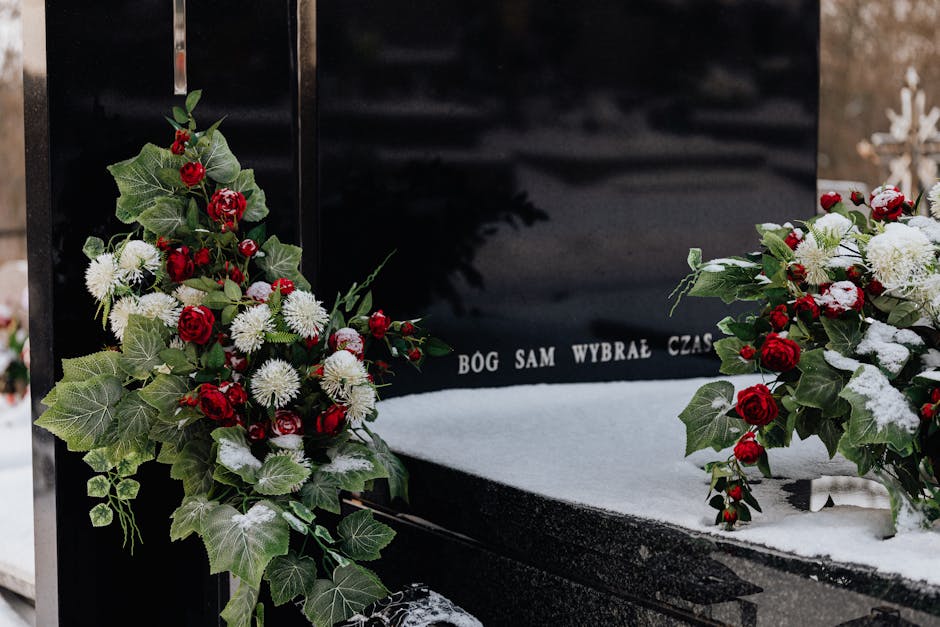
Why What Basildon Council rules mean for funeral flowers and tributes Matters
Funeral flowers are not just decoration. They are part of the language of farewell. A carefully chosen wreath, spray, heart, cross, tribute letter, or sympathy basket can say things that are difficult to put into words. For many families, it's one of the most personal parts of a funeral.
That is exactly why local rules matter. Councils and crematorium teams usually have practical limits around:
- where tributes may be placed
- how long flowers can remain after the service
- whether certain items are suitable for gravesides or memorial areas
- how large or elaborate tributes can be
- what materials are safe and manageable in public spaces
When those rules are unclear, people often over-order, choose the wrong style, or have items removed sooner than expected. That can be upsetting at a time when emotions are already running high. It also creates a very avoidable logistics problem: the florist delivers, the service starts, and suddenly there's nowhere appropriate to place everything.
Basildon is no different from many UK areas in this respect. Local memorial spaces need order and respect, and families need clarity. Knowing the likely expectations helps you choose tributes that feel meaningful and stay within the venue's rules. Simple enough in theory; a bit fiddly in real life, as these things often are.
How What Basildon Council rules mean for funeral flowers and tributes Works
In most cases, the process is shaped by the location rather than by a single blanket rule. A cemetery, crematorium, churchyard, memorial garden, or funeral director's chapel may each have different arrangements. So the first question is not "What flowers should I buy?" but "Where will they go?"
Here's the practical flow most families run into:
- Confirm the venue. Is the service at a crematorium, cemetery, church, or private venue?
- Check local guidance. Look for rules on tribute size, placement, and collection times.
- Match the tribute to the setting. A large coffin spray may be perfect for a service, but not ideal for a small memorial area.
- Decide what should be personal. Names, hobbies, faith symbols, or letter tributes can make a tribute feel especially meaningful.
- Arrange delivery carefully. Timing matters, particularly on service days when access may be limited.
Funeral flowers usually fall into a few broad categories. A wreath is circular and traditionally used as a symbol of remembrance. Sprays sit flat or domed and are often used on caskets or at services. Hearts, cushions, crosses, and letter tributes carry a more personalised feel. Posies and baskets are smaller and often easier to place in restricted spaces.
If you are choosing online, the category pages for funeral flowers in Basildon and the broader funeral arrangements collection can help you compare styles before you commit. That kind of browsing is useful when you are trying to balance sentiment, budget, and venue expectations at the same time.
One detail people forget: some councils and venues may ask for tributes to be removed after the service, or after a set period, to keep the site tidy. That doesn't mean the flowers are any less valued. It simply means the memorial area is shared, and the rules are there to keep it respectful for everyone who visits.
Key Benefits and Practical Advantages
Understanding the rules is not about bureaucracy for its own sake. It helps you make better choices, and that has real emotional and practical value.
- You avoid disappointment. A tribute that looks perfect in a brochure can still be unsuitable if the venue has restrictions.
- You save time. No one wants to make three phone calls on the morning of a funeral.
- You reduce waste. Choosing the right size and style means fewer flowers are left unused or removed quickly.
- You keep things respectful. The right tribute fits the tone of the service and the space.
- You make better use of budget. If you know what is allowed, you can spend on meaningful details instead of correcting mistakes.
There is also a quieter benefit that matters more than people admit: peace of mind. When the tribute is organised properly, you can focus on the service itself rather than worrying whether a florist delivery has gone missing or whether a giant display is going to be awkward to place. At a difficult time, that calm matters.
If you want a tribute that feels thoughtful without being overstated, many families look at softer sympathy styles such as sympathy flowers, wreaths, or compact arrangements like posies and baskets. Those often work well in council-managed settings because they're dignified, adaptable, and easy to display.
Who This Is For and When It Makes Sense
This guidance is useful for anyone arranging funeral flowers in Basildon, but a few groups in particular benefit from it.
- Immediate family who are organising the main coffin tribute or service flowers.
- Friends and wider relatives who want to send something respectful but are unsure what is appropriate.
- Funeral directors coordinating delivery and placement with multiple suppliers.
- People ordering from a distance who cannot attend in person and need confidence that the tribute will fit the venue.
- Anyone choosing religious or personalised tributes that may need extra attention to size, wording, or symbolism.
It also matters if you are ordering at short notice. Truth be told, that happens a lot. Families often leave flower decisions until the later stages of planning, and then realise the service is only a day or two away. In that situation, being clear on local expectations helps you choose quickly and avoid stress.
If timing is tight, a local option such as same day flower delivery in Basildon or next day flower delivery may be helpful, depending on the service schedule and the tribute type. Just remember that funeral items often need more careful timing than general gifting flowers.
Step-by-Step Guidance
If you want to keep this simple, follow a practical sequence rather than choosing flowers first and asking questions later. That way round tends to cause more headaches. A little backwards, really.
1. Confirm the service location and timing
Start with the venue. Funeral flowers for a crematorium service may have different rules from those for a cemetery burial or memorial service. Ask who receives deliveries, when access is available, and where tributes should be placed on arrival.
2. Ask whether tribute sizes or styles are restricted
Some spaces work best with smaller arrangements such as posies, baskets, or single tributes. Others can accommodate larger pieces like wreaths or casket sprays. If in doubt, go practical and elegant rather than oversized. That usually wins.
3. Choose the tribute category that suits the setting
Here is a simple way to think about it:
- Casket sprays are usually for the coffin and immediate service area.
- Wreaths are classic memorial pieces and often work well in many settings.
- Hearts, crosses, and cushions can be more personal and symbolic.
- Letter tributes are often chosen for initials, nicknames, or short names.
- Posies and baskets suit smaller spaces or shared family tributes.
4. Consider colour and flower meaning
White flowers are commonly chosen for remembrance because they feel calm and timeless. Lilies, chrysanthemums, carnations, roses, and alstroemeria are all widely used in sympathy work. Purple can feel dignified and traditional; pink can soften the tribute; mixed whites and greens often look understated and elegant.
For a more traditional look, many families choose white flowers, while others prefer a classic tribute style such as wreaths or sprays. These are common for a reason: they tend to suit most formal settings without feeling too busy.
5. Add personal details thoughtfully
A name, a short line, a faith symbol, or a reference to a shared memory can make a tribute deeply meaningful. But keep it readable and not too crowded. Long messages can look lovely in theory and awkward in practice. The flower base needs space too.
6. Check delivery instructions carefully
Make sure the florist knows the exact date, venue, service time, and any access notes. If the tribute needs to be handed to a funeral director rather than delivered directly, say so clearly. A tiny mix-up here can ruin a morning, and nobody needs that.
7. Ask what happens after the service
Some tributes are collected by the family, some stay briefly at the venue, and some may be removed according to local policy. Clarify this before ordering so there are no surprises later. It sounds small, but these details matter when the day comes.
Expert Tips for Better Results
Having worked around funeral flower orders for a long time, a few things become obvious. The best tributes are rarely the biggest ones. They are the ones that feel considered, balanced, and appropriate to the person and place.
- Keep the venue in mind first. The setting should guide the style, not the other way around.
- Choose one clear focal point. A strong tribute with a clean message usually reads better than too many competing details.
- Use flowers that travel well. If there is a delay between preparation and service, sturdier blooms often hold up better.
- Match the tribute to the person, not to fashion. A simple white wreath can feel far more personal than a trendy display if it reflects the person properly.
- Ask for florist guidance on structure. A knowledgeable florist can steer you toward what will actually work on the day.
One small practical tip: if several family members are ordering separately, coordinate early. Three different arrangements can accidentally clash in colour, scale, or message. A quick conversation usually solves it. Saves a lot of faff.
For sympathy gifting outside the service itself, items such as sympathy flowers and thinking of you flowers can be a gentler choice. They are less formal than a funeral tribute but still send the right message.
Common Mistakes to Avoid
Most problems around funeral tributes are not dramatic. They are small, avoidable oversights that become awkward on the day. Here are the big ones.
- Ordering before checking the venue rules. This is the classic mistake.
- Choosing a tribute that is too large. It may not fit neatly or may be difficult to place safely.
- Leaving delivery too late. Funeral services often run to tight schedules.
- Using wording that is too long. A short message is often stronger.
- Mixing too many colours or styles. Unless that is intentional and reflective of the person, it can look muddled.
- Forgetting collection or removal arrangements. The tribute has an afterlife of its own, so to speak.
There is also a softer mistake: worrying too much about getting everything "perfect". Families sometimes hesitate over every petal and every word. In reality, the thought behind the tribute matters far more than absolute perfection. People feel that, they really do.
Tools, Resources and Recommendations
You do not need special equipment to arrange funeral flowers properly, but a few resources make the process easier.
- A venue checklist with service time, address, contact details, and access instructions.
- A written tribute message so the wording is settled before the florist starts.
- Photos or notes about the person's preferences such as favourite flowers, colours, or symbols.
- Family agreement on budget if several people are contributing.
- Delivery confirmation so everyone knows the tribute has arrived safely.
When comparing options, a local florist selection can be useful because it lets you move between smaller posies, wreaths, letter tributes, and larger arrangements without having to start from scratch. For example, you might browse flower shops in Basildon or a more general selection such as all flowers if you are still deciding on style and budget.
For straightforward funeral ordering, some people prefer ready-made tribute ranges like tributes or more specific funeral-themed options such as letter tributes. These are practical when you want something appropriate without a long design process.
Law, Compliance, Standards, or Best Practice
There is rarely a single "funeral flower law" that covers every situation. In reality, what matters most is local venue policy, public safety, and respectful use of shared spaces. Basildon Council may set or reflect rules for cemetery and memorial areas, while crematoriums and funeral venues can have their own operational guidance.
Here is the best-practice approach:
- Follow venue instructions first. If staff give a placement rule or time limit, treat it as the default.
- Keep tributes safe and stable. Avoid anything that could topple, block access, or create a hazard.
- Use appropriate materials. Flowers, moss, ribbon, and floral foam are common, but some locations may prefer certain formats over others.
- Respect shared memorial areas. Tributes should not interfere with other families' access or remembrance.
- Be mindful of religious and cultural customs. Different traditions may favour specific flowers, colours, or symbols.
For families arranging religious tributes, symbolism can matter a great deal. A cross, heart, wreath, or specific flower choice may be more appropriate than a generic arrangement. If you are unsure, it is better to ask than to assume. That is true almost every time.
It is also sensible to check the florist's terms around delivery, substitutions, and refunds before ordering. A good florist should be clear about what happens if flowers are unavailable, if a delivery is delayed, or if something needs to be changed at short notice. If you want to understand the general service terms behind an order, pages such as terms and conditions and delivery are worth a look before you place anything.
Options, Methods, or Comparison Table
Not every tribute works in every setting. Here is a simple comparison to help you choose more confidently.
| Tribute type | Best for | Strengths | Things to watch |
|---|---|---|---|
| Wreath | Traditional remembrance | Classic, dignified, widely accepted | Can feel less personal unless customised |
| Casket spray | Coffin or main service tribute | Strong visual presence, formal and heartfelt | Usually not intended for small memorial spaces |
| Heart or cushion | Personal family tribute | Emotional, symbolic, often very meaningful | Needs clear placement and enough space |
| Letter tribute | Initials or names | Highly personal and visually striking | Can be larger and more expensive |
| Posy or basket | Smaller services or side tributes | Compact, flexible, practical | Less dramatic if you want a large focal piece |
If you are unsure, start small and refined. A modest, well-made tribute often feels more in keeping with council-managed or shared spaces than something oversized. That is especially true when the service is in a public cemetery or a venue with limited display space.
Case Study or Real-World Example
Here is a realistic example. A family in Basildon wanted to arrange flowers for a crematorium service and a later burial of ashes. They first imagined a very large floral piece because they wanted the tribute to feel substantial. But once they checked the venue notes and talked through the space available, it became clear that a more compact design would work better.
They chose a white-and-green wreath for the service, a smaller heart tribute with a short message from the grandchildren, and a simple basket for the post-service gathering. Nothing flashy. Nothing overdone. But it was right for the day. The florist delivered the items at the agreed time, the funeral director placed them neatly, and the family didn't have to worry about any awkward rearranging just before the service began.
That is often the real lesson here. The "best" tribute is not always the most elaborate one. It is the one that fits the space, honours the person, and causes no unnecessary friction on the day. Simple, respectful, done well. That's the sweet spot.
Practical Checklist
Use this checklist before placing your order.
- Have I confirmed the service venue and time?
- Do I know whether the council, crematorium, or cemetery has tribute rules?
- Is the tribute size suitable for the space?
- Have I chosen the right style: wreath, spray, heart, cross, cushion, basket, or letters?
- Have I picked flowers and colours that suit the person and the setting?
- Is the message short, clear, and correctly spelled?
- Have I checked delivery instructions and contact details?
- Do I know who will receive or place the tribute?
- Have I thought about what happens after the service?
- Am I clear on the budget and any substitutions if flowers are unavailable?
If you can tick all of those off, you are in a good place. Not perfect, maybe. But more than good enough, and that's usually what matters most on a difficult day.
Get a free quote today and see how much you can save.
Conclusion
So, what Basildon Council rules mean for funeral flowers and tributes comes down to this: choose with the venue in mind, respect the space, and make sure the tribute fits both the practical rules and the emotional tone of the day. That does not mean your flowers have to be plain or impersonal. Far from it. It just means the most meaningful choice is the one that works beautifully in real life, not only in your head.
When you get the basics right - venue, size, timing, message, placement - the whole process becomes calmer. And in a moment where everything can feel a bit much, calm is a real gift. A good tribute does what it should do: it honours someone properly, quietly, and with dignity.
If you are planning funeral flowers now, take a breath. You do not need to get every detail perfect. You just need to get the right ones right.
Frequently Asked Questions
What Basildon Council rules mean for funeral flowers and tributes in practical terms?
In practical terms, they usually affect where tributes can be placed, how large they should be, how long they can stay, and whether certain materials or displays are suitable for the venue. The exact arrangements can vary by location, so it is wise to check the specific site before ordering.
Can I send funeral flowers directly to a crematorium or cemetery in Basildon?
Often yes, but delivery needs to be arranged carefully. The venue may have set delivery times, access instructions, or a named contact. Always confirm those details before booking the tribute.
What types of funeral tribute are usually most suitable?
Wreaths, sprays, hearts, cushions, posies, baskets, and letter tributes are all common choices. The most suitable one depends on the setting, the relationship to the deceased, and how formal or personal you want the tribute to feel.
Are large floral tributes allowed everywhere?
Not necessarily. Some spaces are fine with larger pieces, while others work better with compact designs. If the venue has limited space or shared memorial areas, a smaller tribute is often easier and more appropriate.
How long do funeral flowers usually stay in place?
That depends on the venue's rules and the family's wishes. Some flowers are removed shortly after the service, while others may remain for a little longer. The collection or removal arrangement should be confirmed in advance.
What flowers are most common for sympathy and funeral arrangements?
Lilies, roses, chrysanthemums, carnations, and alstroemeria are widely used. White and green combinations are especially common for a calm, traditional look, although colour choice can be personalised.
Can I personalise funeral tributes with names or words?
Yes, and that is often what makes them special. Letter tributes, named cushions, and custom messages can make a tribute feel much more personal. Keep the wording short enough to read clearly at a glance.
What should I do if I am ordering funeral flowers at short notice?
Contact the florist as soon as possible, confirm the venue details, and choose a tribute type that is straightforward to produce and deliver. Same-day or next-day delivery options may help, but funeral timings should always be checked first.
Do council rules affect where flowers are placed after the service?
Yes, they can. Some venues have specific areas for placement, and some may require flowers to be moved or removed after the service. Always ask about the post-service arrangement so there are no surprises.
Is it better to choose a wreath or a spray?
Neither is universally better. A wreath feels traditional and symbolic, while a spray often suits the coffin or main service display. The right choice depends on the setting and the tone you want to create.
Can I order funeral flowers from a local Basildon florist online?
Yes, and many people do. Ordering online can be convenient, especially when you need a specific tribute style or timely delivery. It is still worth checking the product details, delivery rules, and any venue instructions before completing the order.
What if the venue says my chosen tribute is too big?
If that happens, the florist can usually help you adapt the design to a smaller or more suitable version. It is far better to adjust early than to discover the issue on the morning of the service.


